---
title: "Proactive security: 4 scenarios | Spyke Box"
description: Cameras alone don't stop break-ins, proactive security does. See how smart detection and a control center connection change the outcome in 4 real-world business security scenarios.
image: https://spyke.nl/hubfs/Brand%20Imagery/Blog%20Feature%20Imagery/Blog%20Feature%20-%20Proactive%20security%20scenarios.jpg
---
# Proactive security: 4 scenarios every business owner wants to avoid
Jun 30, 2026 2:09:09 PM
You lock up, set the alarm, and head home. Your cameras are running, and your system is armed - *so what could go wrong?*
More than you'd expect. Over [40% of business owners](https://www.interpolis.nl/zakelijk/inbraak-en-diefstal/inbraak) in the Netherlands will experience a break-in at some point, and in most cases the cameras were running the whole time. The footage captured everything, it just didn’t help you understand what happened until after the fact.
Proactive security changes that. Before we get into four scenarios where business security is often tested, let’s take a look at what being “proactive” means in practice.
## What is proactive security?
Proactive security is the step between “camera footage exists” and “someone actually does something with it.” Instead of waiting until footage becomes evidence, it helps turn suspicious signals into action while there is still time to intervene.
Most businesses already have cameras. They monitor the entrance, the yard, the stockroom, or the back door. But outside business hours, there's often no one actively checking what those cameras pick up - and on larger sites, with tens of cameras running around the clock, that simply isn't realistic.
A proactive setup like [Spyke Box](https://spyke.nl/product?hsLang=en) keeps track of suspicious movement, repeated activity or behavior that looks out of place. When motion is detected, the system categorizes it, identifying whether it involves a person, an animal, a car or a truck, and if it's happening in a zone that should be empty at that time.
It can then be flagged, reviewed, and followed up by a staffed control center while the situation is still unfolding, and before it has the chance to escalate into something more serious.
## 4 business security scenarios where timing changes everything
### Scenario 1: The suspicious car that came back three evenings in a row
It’s Monday evening. A car drives slowly past your business. It slows down near the entrance, then drives on. You don’t notice.
Tuesday evening, the same car. Same route. Same pause.
Wednesday evening, it happens again.
Thursday night, your business is broken into.
Here's where it goes one of two ways.
Reactive: The cameras recorded all four evenings. On Friday morning, you review the footage with the police. The evidence is there, but the damage is already done.
Proactive: After the second drive-by on Tuesday evening, smart detection technology flags the pattern as suspicious. Rather than waiting to see what happens next, the control center verifies the situation and alerts the right people. Wednesday and Thursday night pass without incident.
### Scenario 2: The shop that was targeted twice in three months
The first break-in happens on a Tuesday night in October. A window is smashed, the till is taken, and stock goes missing.
You file a report, replace the window, and upgrade the lock.
You assume it was a one-off.
Then it happens again in December.
**Reactive:** The cameras give you a clear record of both break-ins, but no chance to intervene. You are left dealing with two insurance claims, two rounds of repairs, and the same frustrating question: *could this have been prevented?*
**Proactive:** After the first incident, the site is treated as higher risk outside opening hours. Activity around the entrance after closing time is watched more closely, so when smart detection spots unusual behavior in November, the control center can respond before anyone gets inside. The second break-in is stopped before it becomes another insurance claim.
### Scenario 3: The construction site stripped overnight
Your team finishes at 5pm on a Friday. The site is locked. €40,000 worth of materials and equipment is left on site, because where else would you put it?
By Saturday morning, it's gone.
For construction businesses, stolen equipment is only the start of the problem. Recent research found that [48% of construction professionals](https://www.bauwatch.com/nl-nl/Criminaliteitsrapport-voor-de-bouwsector-2025) have experienced project delays because of theft, averaging one to four weeks each time.
**Reactive:** You only discover the theft when work resumes on Monday morning. By then, the police report needs to be filed, the insurer needs to be contacted, and the missing materials need to be reordered before work can continue. The project is delayed by three weeks.
**Proactive:** At 11pm on Friday, movement is picked up on-site, long after the crew has gone home. Smart detection recognizes this as atypical activity that could pose a risk and flags it for review. The control center checks the live feed, sees people moving around the stored materials, and follows the agreed response plan before the theft can continue. By Monday morning, the site is still secure and the project can carry on as planned.
### Scenario 4: The office break-in over the Christmas holidays
Your team finishes on December 23rd, and the office will be empty for ten days. Laptops are on desks, documents are still inside, and the server is running.
On December 27th, someone gets in.
It’s no coincidence - [December is consistently the month](https://pro-rec.nl/pro-actief-beveiligen-inbraakstatistieken-en-advies-van-pro-rec/) with the highest number of break-ins in the Netherlands, with the Christmas and New Year period seeing up to twice the normal rate of incidents.
**Reactive: **You don’t know about the break-in until staff return in January. Laptops are missing, a door is damaged, and the first week back is swallowed by questions nobody wanted to start the year with: *what was taken, what was accessed, and how much work has this created?* The cameras captured everything, but that didn’t change the outcome.
**Proactive: **At 2am on the 27th, smart detection picks up movement in the office. The alert reaches the control center, the situation is assessed, and the right response follows, all before anyone gets the chance to cause damage. Your team returns in January to an office that looks exactly as they left it.
#### FAQ: Proactive security
##### What's the difference between reactive and proactive security?
Reactive security shows you what happened after an incident. Proactive security is designed to spot suspicious activity while there is still time to act, helping prevent a break-in, theft, or disruption from escalating.
##### Do cameras alone not prevent break-ins?
Cameras can deter some intruders, but they don’t stop every incident on their own. A camera can record someone entering your site, but the real difference comes from what happens next: whether suspicious activity is noticed, checked, and acted on while there is still time to intervene.
##### What happens outside business hours when activity is flagged?
Smart detection identifies the activity and flags it for review. The control center then receives the alert, assesses the situation, and takes the appropriate action, all during the hours you set. During business hours, your cameras keep recording as normal, but nobody is actively monitoring your team.
---
## The takeaway
What do these four scenarios have in common? They all involve cameras.
In the reactive version, they record what happened. In the proactive version, someone is able to spot the warning signs, check what is going on, and act while there is still time to make a difference.
Spyke Box adds smart detection and professional control center response to your security setup, so your premises are not just recorded but actively watched over during the hours your business is closed and most vulnerable.
Getting started is straightforward: a certified installer handles the setup, and from there your security works during the hours you set.
*Ready to get ahead of the curve? Get in touch today!*
**
* [ ](https://spyke.nl/hs/cta/wi/redirect?encryptedPayload=AVxigLIkaTdIDBCBlK1aplkjEtqXVuDL8G1hLsatA%2FyPNEWRoQOaN3rHnt0Z2B7nuKA9YcYehu8GH83eJfXHRYTLStmi0%2Blv33p8sXlBZlCSDAiJ%2FJeDzPjzCxzY1VYBg8dvESPBqZcLA6JJWum9HQIczBLGXuKaKg33YQVTSYhn7A%3D%3D&webInteractiveContentId=429401422068&portalId=148522598&hsLang=en) *
* *
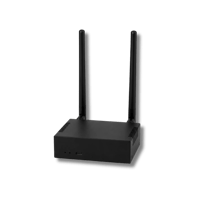
## Want to know what Spyke Box could look like for your business?
Tell us about your location and security setup. We’ll help you understand the best next step
[Get in touch](https://spyke.nl/en/contact?hsLang=en)

[ ](https://spyke.nl/hubfs/Documents/2025-09-10-certificate_VdS-3137_AES-125006_EN.pdf?hsLang=en)
```json
{
"@context" : "https://schema.org",
"@type" : "BlogPosting",
"author" : {
"@type" : "Person",
"name" : "Spyke",
"url" : "https://spyke.nl/en/blog/author/spyke"
},
"dateModified" : "2026-06-30T12:09:09.160Z",
"datePublished" : "2026-06-30T12:09:09.000Z",
"headline" : "Proactive security: 4 scenarios | Spyke Box",
"image" : [ "https://spyke.nl/hubfs/Brand%20Imagery/Blog%20Feature%20Imagery/Blog%20Feature%20-%20Proactive%20security%20scenarios.jpg" ],
"mainEntityOfPage" : {
"@id" : "https://spyke.nl/en/blog/proactive-security-4-scenarios",
"@type" : "WebPage"
},
"publisher" : {
"@type" : "Organization",
"logo" : {
"@type" : "ImageObject",
"url" : "https://spyke.nl/hubfs/Logo/Main%20Logo/Spyke%20Box%20Logo%20COLOR.svg"
},
"name" : "Spyke"
}
}
```