Construction sites are difficult to protect for one simple reason: they’re always changing.
Materials get moved, access points shift, layouts change, and expensive equipment is often left on-site long after the crew has gone home.
That makes standard security awkward at best and unreliable at worst. A lock, a fence, or a camera might help, but none of them solve the bigger problem on their own: how do you keep watch over a site that is open, temporary, and empty for long stretches of time?
This guide works through the questions we hear most from contractors and project managers about protecting construction sites day and night.
What makes construction sites so difficult to secure?
Most business premises have a fixed layout, a permanent structure, and a predictable pattern of who comes and goes. Construction sites don’t have that luxury.
That makes them harder to secure for a few practical reasons:
- The layout keeps changing, so camera positions, lighting, and access control can quickly become outdated.
- Materials and equipment move around, which makes it more challenging to protect the highest-value items in one fixed area.
- Access points shift during the build, so yesterday’s secure entrance may not be the only way in today.
- Different teams come and go, which makes it tougher to monitor who belongs on site and who doesn’t.
- The site is often empty for long stretches, especially overnight and during weekends, when theft and vandalism are most likely to go unnoticed.
Put simply, that’s where construction site security gets tricky: the risk keeps moving, while traditional systems tend to stay where they were installed.
What are the real costs when security fails?
The obvious cost is whatever gets stolen or damaged. Materials, tools, fuel, machinery, fencing, cabling… those are the losses you can see straight away.
But on a construction site, the bigger cost is often what happens next. If materials need to be reordered or a damaged area has to be secured, work can quickly come to a halt. Planning stalls, subcontractors need to be rescheduled, deadlines get tighter, and the whole project becomes harder to control.
The numbers speak for themselves:
- Project delays in construction from theft and vandalism can cost up to €5,000 per day.
- In 16% of material theft cases, a single incident costs more than €10,000.
- Theft and vandalism cost the Dutch construction sector an estimated €250 million in 2023.
For contractors working with tight margins and even tighter deadlines, even a single incident can tip a project over budget.
Why does mobile construction site security work better than fixed systems?
The two most common approaches to construction site security are physical barriers, such as fencing, locks, access gates, and traditional mobile patrols, where a guard checks the site at set intervals. Both can help, but neither fully fits the reality of a modern site.
Physical barriers are necessary, but they don’t respond to what is happening on-site. They make it harder to get in, but they don’t verify activity, alert anyone, or stop a situation once someone is already inside.
Patrols are a different kind of compromise. They’re expensive, infrequent, and predictable enough that a determined thief can work around them. Even while they’re on duty, there will still be stretches of time when nobody is watching.
A modern mobile security system matches the reality of construction sites. It monitors the risk where it’s happening, moves as the site changes, and can connect to a control center that responds when something looks wrong, without the cost and commitment of a permanent setup.
How does smart detection technology improve your construction site camera security?
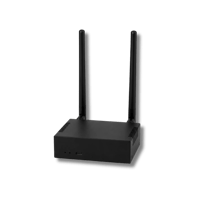
On their own, cameras record what happened. With smart detection technology like Spyke Box, your cameras can trigger action during the hours you choose, while there is still time to respond.
That starts with placing cameras around the parts of the site most exposed to risk: materials storage, access points, equipment zones, and areas that are difficult to oversee after the crew has gone home.
Smart detection filters the activity first, identifying whether movement involves:
- a person
- a vehicle, such as a car or truck
- an animal
- activity in a zone that should be empty at that time
When something is flagged, a certified control center operator reviews the footage and follows the agreed response plan if action is needed, from contacting the right person to dispatching security or calling the police.
How do you get started without a large upfront investment?
Traditional construction site security can get expensive quickly. You may need to rent or buy equipment, arrange installation, manage maintenance, and pay separately for monitoring or patrol services. For a project that only runs a few months, that is a lot to commit to before you know exactly how the site will change.
A subscription model works differently. A fixed monthly amount covers everything:
- Hardware and two cameras
- Installation by a certified partner
- Smart detection to flag suspicious activity
- Connection to the control center
- Software, app, updates, support, and replacement hardware
That means no large upfront investment, no separate contracts, and no equipment to manage when the project ends.
Spyke Box is built for temporary construction sites and contractors who need proper coverage without turning security into another project to manage. A certified installer handles the setup, including a camera plan tailored to your site, which covers your premises during the hours you choose. And, as the site changes, the setup can change with it.
FAQ: Construction site security
What is mobile security for construction sites?
Mobile security for construction sites is a flexible setup that can be placed where the risk is highest and adjusted as the site changes. It gives temporary sites proper coverage without the cost or commitment of permanent security infrastructure.
What are the most common ways construction sites get targeted?
Construction sites are most often targeted for materials, tools, fuel, machinery, and equipment. Vandalism and unauthorized access are also common, especially overnight, on weekends, and during holiday periods, when nobody may notice until the next working day.
Why do traditional mobile patrols often fall short on construction sites?
Patrols can’t be everywhere, all the time. If a site is only checked once every few hours, there are still long stretches when nobody is watching. Hiring them is also expensive, and often predictable enough for a determined thief to work around. For smaller contractors on short-term projects, the cost makes it hard to justify, considering the coverage they actually get.
The takeaway
Your site should be able to change without leaving your security behind.
With the right setup, the project can keep progressing, while the areas most exposed to risk stay covered outside working hours.
Spyke Box gives contractors a practical way to protect temporary sites without adding another moving part to manage.
Want to see what that could look like on your site? Request a free security check today.